Pain Points of Indonesian Crane Builders When Sourcing from China
menu_open
Content Quick Link
Common Pain Points of Indonesian Crane Builders When Sourcing from China
Introduction
Indonesia’s crane manufacturing industry has seen steady growth over the past decade. Cities like Bekasi, Surabaya, and Bandung host workshops producing overhead cranes, gantry cranes, and crane kits for both domestic and regional markets. While local expertise is strong, many manufacturers increasingly rely on Chinese suppliers for critical components, full crane kits, and specialized parts.
This reliance is driven by:
- Cost efficiency: Chinese suppliers often provide components at lower prices, making large-scale production more feasible.
- Availability: Many crane parts and kits are not readily available locally, especially for specialized or heavy-duty cranes.
- Technical variety: Chinese manufacturers offer a wide range of solutions, from single girder cranes to full double girder EOT cranes.
However, working with overseas suppliers is not without challenges. Indonesian crane builders often face issues in product quality, compliance with local safety standards, delivery timelines, and after-sales support. These challenges can lead to delays, higher costs, or even operational risks if not properly managed.
Purpose of this article:
To give a clear view of the common pain points Indonesian crane builders encounter when sourcing from China. By understanding these challenges, both buyers and suppliers can work more effectively together, reduce risks, and build reliable, long-term partnerships in the crane industry.
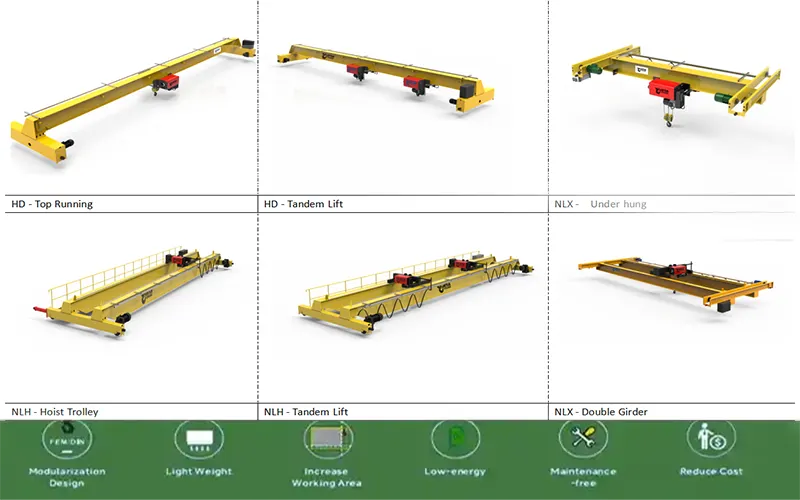
European style overhead cranes for sale Indonesia , Overview of Types of overhead cranes for sale Indonesia
Topics covered:
- Overview of sourcing dependence on Chinese suppliers
- Key challenges: quality, logistics, communication, and support
- Practical insights for smoother collaboration and better procurement decisions
Quality and Compliance Issues
One of the biggest challenges Indonesian crane builders face when sourcing from China is maintaining consistent quality and compliance. Even minor variations in materials, welding, or electrical components can cause delays, additional costs, or safety risks.
Inconsistent Product Quality
Not all suppliers provide the same level of quality, even if they are well-known. Builders often notice:
- Material differences: Steel grades, wire ropes, or structural elements may not match the specifications.
- Welding variations: Improper welding can affect the strength and stability of crane structures.
- Electrical components: Motors, controllers, and hoists may vary in reliability, especially if sourced from third-party brands.
These inconsistencies can lead to rework or failures during installation, which is frustrating for manufacturers who depend on predictable components to meet project deadlines.
Certification and Standards
Ensuring that crane components meet international and local regulations is another common challenge. Issues include:
- Difficulty verifying CE or ISO certifications for certain parts
- Unclear compliance with Indonesian safety standards for workshops or steel plants
- Misalignment between supplier-provided documentation and actual product quality
Without proper certification, Indonesian manufacturers risk non-compliance, which can lead to fines, delayed approvals, or reduced customer trust.
Durability Concerns
Even when specifications look good on paper, the real-world performance of components can differ:
- Components may wear faster under heavy-duty use
- Electrical systems may fail in high-humidity or outdoor conditions
- Mechanical parts may not handle repeated loads as promised
These durability issues are particularly critical for overhead cranes and gantry cranes, where safety and reliability are non-negotiable.
Takeaway
For Indonesian crane builders, quality and compliance are not just checkboxes—they directly affect safety, efficiency, and reputation. Working with suppliers who consistently meet specifications and provide verifiable certifications is essential for long-term success.
Communication and Coordination Challenges
Even if the quality of parts is good, communication issues can create major headaches for Indonesian crane builders sourcing from China. Misunderstandings, delayed responses, and technical misalignment often slow down projects and increase costs.
Language Barriers
Language differences can lead to confusion over technical specifications, installation instructions, or component compatibility. For example:
- Misinterpretation of crane load capacities or dimensions
- Incorrect assembly instructions for gantry or overhead cranes
- Errors in electrical schematics or wiring diagrams
Even small miscommunications can result in components that don't fit or meet safety requirements, forcing builders to spend extra time correcting mistakes.
Time Zone Differences
China and Indonesia are relatively close geographically, but even a one-hour difference can cause delays if communication isn't well-organized. The bigger challenge arises with international logistics or when the supplier's team is only available during their daytime hours. This can lead to:
- Slow email or message responses
- Delayed approvals for technical drawings or quotations
- Bottlenecks when urgent decisions are needed on-site
For crane projects with tight schedules, these delays can disrupt production timelines and delivery commitments.
Technical Misalignment
Sometimes suppliers simply don't fully understand the realities of Indonesian workshops or industrial environments. This includes:
- Differences in crane design standards used locally versus what the supplier provides
- Electrical systems that may not match local voltage or frequency requirements
- Structural components that don't account for local environmental conditions, such as humidity or heavy dust
Without this alignment, crane builders may need to modify components after delivery, leading to extra labor, costs, and potential safety concerns.
Practical Tip
To reduce these challenges, it's essential to establish clear communication channels, verify technical drawings before production, and schedule regular check-ins. Using bilingual documents or technical translators can also help prevent costly misunderstandings.
Logistics and Delivery Problems
For Indonesian crane builders, sourcing from China often comes with logistical headaches. Even if the supplier provides quality components, delays and shipping issues can disrupt the entire production schedule.
Shipping Delays
Delays in shipment are one of the most common problems. Causes include:
- Port congestion: Busy ports in Indonesia or China can hold shipments for days or weeks.
- Customs clearance: Incomplete or inaccurate documentation can slow down import approval.
- Export restrictions: Certain materials or components may require special permits.
A shipment arriving late can delay crane assembly, affect project timelines, and even increase labor costs if local teams are idle waiting for parts.
Incomplete Orders
Sometimes, shipments arrive but parts are missing or incompatible. Builders frequently encounter:
- Missing bolts, hoist parts, or electrical components in crane kits
- Components that don't match drawings or specifications
- Kits delivered with mismatched parts, requiring adjustments or replacements
These issues not only delay projects but also create additional coordination work with suppliers, adding stress and administrative burden.
High Transportation Costs
Shipping from China adds to the overall cost of procurement. Costs can escalate due to:
- Freight charges for heavy or oversized components
- Additional customs duties or import taxes
- Insurance for high-value crane parts
For smaller workshops or manufacturers working on tight budgets, these extra costs can significantly impact project feasibility.
Practical Tip
Indonesian crane builders can mitigate these challenges by:
- Planning orders well in advance to account for potential delays
- Double-checking order completeness and specifications before shipment
- Exploring consolidated shipments to reduce transportation costs
- Working with freight forwarders experienced in crane parts logistics
After-Sales Support and Spare Parts
Sourcing from China is not just about getting the right crane parts; it's also about what happens after the delivery. For Indonesian crane builders, after-sales support and spare parts availability are often where challenges appear.
Limited Local Support
Many workshops have to rely on Chinese suppliers for troubleshooting or maintenance. This can create delays when:
- Remote guidance is slow or unclear
- Engineers are unavailable during critical times
- Minor issues escalate into larger downtime problems
Actionable Tip: Establish a dedicated point of contact with your supplier and confirm response times for technical issues.
Spare Parts Availability
Replacement parts are sometimes the bottleneck in crane operations. Builders frequently face:
- Long lead times for key components like hoists, motors, or control boxes
- Difficulty sourcing parts for older or customized crane models
- Situations where local adaptation is needed, risking performance or safety
Actionable Tip: Maintain a small inventory of essential spare parts to reduce downtime and keep projects on track.
Service Knowledge Gap
Suppliers may not fully understand local workshop conditions, which affects how guidance is given:
- Electrical components may react differently in humid or dusty environments
- Mechanical parts may require adjustments to meet local operational loads
- Remote instructions may not cover practical on-site challenges
Actionable Tip: Train local staff with detailed manuals, videos, or remote support sessions to handle routine maintenance independently.
Pricing and Contractual Concerns
Cost is often the first thing on a crane builder's mind when sourcing from China. But it's not just the quoted price that matters—hidden fees, payment conditions, and the balance between cost and quality all play a role.
Hidden Costs
Many builders encounter unexpected fees after placing an order. These can include:
- Customs duties and import taxes that were not initially considered
- Shipping surcharges for oversized or heavy components
- Fees for documentation, inspections, or delayed clearance
Actionable Tip: Always clarify all potential costs with your supplier and check Indonesian import regulations before finalizing an order.
Payment Terms
Payment conditions can create additional challenges. Common issues include:
- Upfront payments that tie up cash flow
- Currency fluctuations affecting the final cost
- Lack of flexible terms for long-term or repeat orders
Actionable Tip: Negotiate payment terms that minimize risk, such as partial payments tied to delivery milestones or verified letters of credit.
Value vs. Cost
Choosing the cheapest option isn't always the most practical. Builders need to weigh affordability against long-term reliability:
- Lower-cost components may require more frequent maintenance or replacement
- Higher-quality parts can reduce downtime and improve workshop efficiency
- Reliability impacts safety, productivity, and overall project costs
Actionable Tip: Consider total cost of ownership, including maintenance, spare parts, and operational efficiency, rather than just initial purchase price.
Cultural and Business Practice Differences
Sourcing from China involves more than just technical and logistical considerations. Cultural and business practice differences can affect communication, decision-making, and long-term collaboration between Indonesian crane builders and Chinese suppliers.
Negotiation Styles
Indonesian buyers often notice differences in how negotiations are handled:
- Decision-making speed may differ, with Chinese suppliers taking longer to respond to technical or contract questions.
- Expectations around contract flexibility or adjustments may not align.
- Misunderstandings can occur over pricing, lead times, or quality guarantees.
Actionable Tip: Clarify expectations early in negotiations, set deadlines for responses, and document agreements to prevent confusion.
Long-Term Commitment
Consistency and trust are key for ongoing partnerships:
- Some suppliers may prioritize short-term sales over long-term collaboration.
- Concerns about reliability or after-sales support can affect repeat orders.
- Indonesian builders often need reassurance that suppliers will maintain quality, delivery, and service over time.
Actionable Tip: Choose suppliers who demonstrate a proven track record and are open to long-term contracts or repeat partnerships.
Innovation and Adaptability
The Indonesian market is evolving, with increasing demand for custom cranes, specialized kits, and efficient production solutions. Challenges include:
- Suppliers may not fully understand local production methods or industrial requirements.
- Lack of adaptability can limit solutions for new or complex crane projects.
- Slow response to market trends can hinder operational efficiency.
Actionable Tip: Work with suppliers willing to adapt designs, provide technical guidance, and innovate according to your workshop needs.
Strategic Recommendations for Buyers
Sourcing crane components and kits from China can be challenging, but Indonesian crane builders can reduce risks and improve outcomes by taking a strategic approach. Here are some practical recommendations:
Conduct Thorough Supplier Audits and Factory Visits
Before placing major orders, it's important to verify the supplier's capabilities:
- Visit the factory if possible to check production quality, equipment, and workflow.
- Review past projects and references to confirm reliability.
- Assess their capacity to handle custom orders and large volumes.
Actionable Tip: A supplier audit can prevent surprises and ensure that production meets your quality and safety standards.
Clarify Technical Specifications and Certifications Upfront
Misunderstandings over specs are a common source of problems:
- Confirm materials, load capacities, and dimensions before production.
- Verify CE, ISO, or other relevant certifications.
- Ensure electrical components and control systems match Indonesian standards.
Actionable Tip: Document every specification and requirement in writing to avoid costly miscommunications.
Establish Clear Communication Channels and Response Timelines
Effective communication is critical for smooth collaboration:
- Assign dedicated points of contact on both sides.
- Use messaging platforms or email for technical discussions.
- Set clear expectations for response times on drawings, approvals, and troubleshooting.
Actionable Tip: Regular check-ins and updates help prevent delays and keep projects on schedule.
Plan Logistics and Inventory to Mitigate Supply Chain Risks
Shipping and delivery can impact production timelines:
- Account for lead times, customs clearance, and port congestion.
- Maintain a buffer stock of critical components and spare parts.
- Consider using reliable freight forwarders experienced with crane parts.
Actionable Tip: Early planning and inventory management reduce downtime and unexpected costs.
Negotiate Contracts that Include After-Sales Support and Spare Parts Provisions
A strong contract protects both parties:
- Ensure suppliers commit to after-sales service and maintenance support.
- Include clear terms for spare parts supply and delivery timelines.
- Define responsibilities for warranty, repairs, and technical assistance.
Actionable Tip: A well-structured contract minimizes risks and provides a framework for long-term collaboration.
Conclusion
Sourcing crane components and kits from China offers opportunities for Indonesian crane builders, but it also comes with challenges. Common pain points include:
- Quality: Inconsistent materials, welding, or electrical components.
- Communication: Language barriers, time zone differences, and technical misalignment.
- Logistics: Shipping delays, incomplete orders, and high transportation costs.
- After-sales support: Limited local assistance, spare parts delays, and service knowledge gaps.
- Pricing and contracts: Hidden costs, inflexible payment terms, and balancing cost versus reliability.
- Cultural and business practices: Differences in negotiation, commitment, and adaptability.
Addressing these issues requires proactive collaboration. Clear communication, thorough planning, and well-defined agreements help reduce operational risks and prevent costly delays.
Building strong, long-term partnerships with reliable Chinese suppliers is key. When expectations, quality standards, and support systems are aligned, crane builders can not only improve efficiency and safety but also ensure sustainable growth for their workshops and factories.

Article by Bella ,who has been in the hoist and crane field since 2016. Bella provides overhead crane & gantry crane consultation services for clients who need a customized overhead travelling crane solution.Contact her to get free consultation.